

C2N examines the article: “There’s a gaping hole in Dutton’s nuclear plan. He says it’s Albanese’s problem to solve” written by Julia Carr-Catzel, Sydney Morning Herald, January 12th 2025.
Creating confusion holds Australia back.
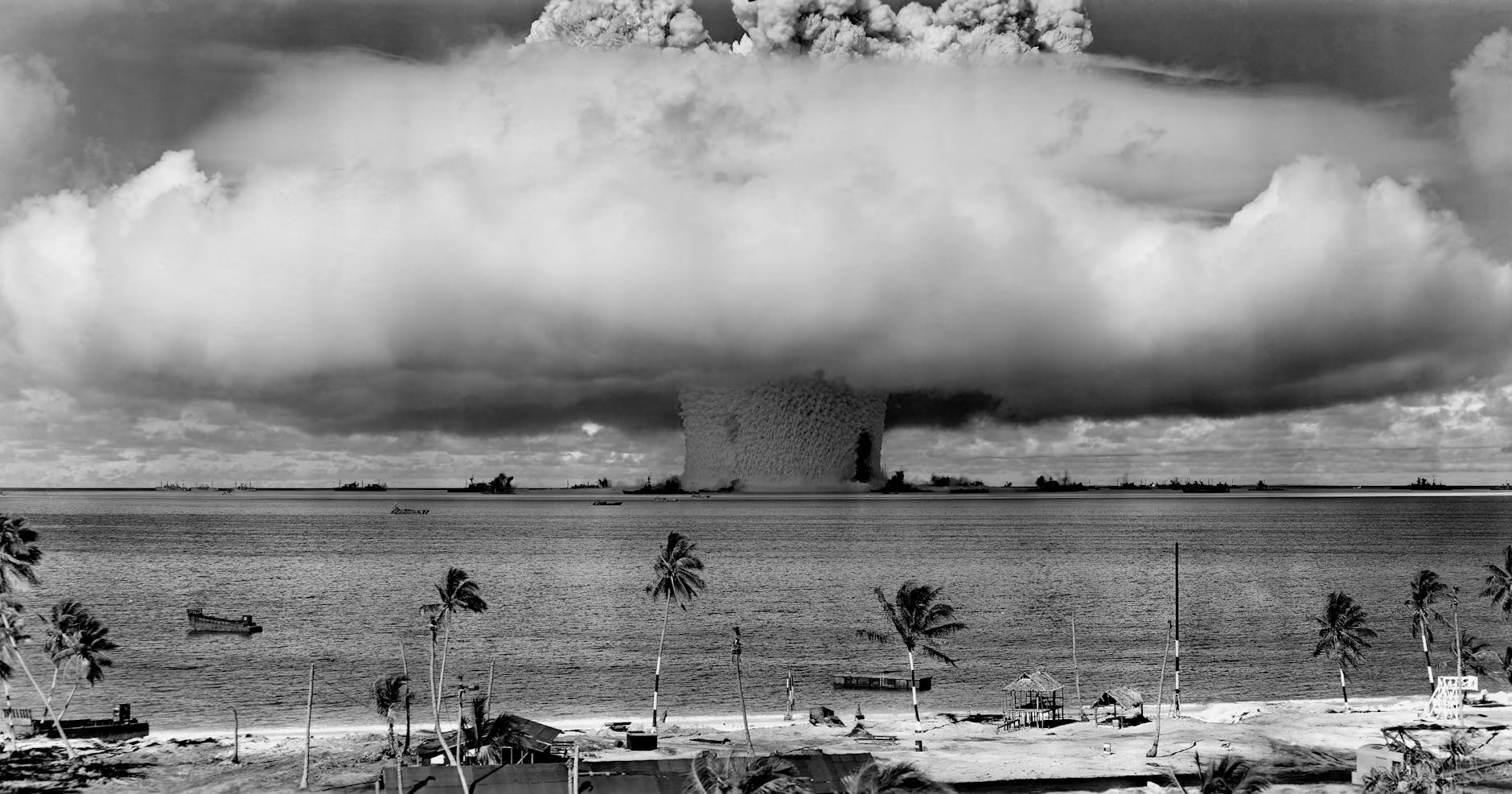
An age-old trick to win an argument is to throw the kitchen sink at it. In this case: it includes atomic weapons testing, abandoned test sites, still-berths, and contaminated witchetty grubs.
The cold war arms race was one of the scariest moments in human history, and nuclear testing in Australia and Mururoa Atoll reflected a total lack of consideration for aboriginal Australians and Pacific Islanders, at the time. Yet, these cold war events from the 1950s through to the 1990s shouldn’t be confused with our current challenges in transitioning to net zero emissions targets.
What’s the difference? The former involves “Atoms for War”, the later involves “Atoms for Peace.” This is explained in a speech by President Dwight D. Eisenhower to the full assembly of the United Nations in December 1953. Not just peace, but the use of nuclear energy to bring our most impoverished societies out of poverty. We are seeing this in countries such as Bangladesh, India and Pakistan. They share our same challenge, to provide energy when the sun isn’t shining, and the wind isn’t blowing.
Labor’s plan and our current energy trajectory is too unreliable, unaffordable, and hasn’t worked successfully in any other country.
Isn’t it time to rethink? There are 440 nuclear reactors operating in 31 countries, with a further 65 under construction and 86 planned at the time of writing, according to the World Nuclear Association. Spent nuclear fuel is being safely managed from all these reactors as well as for 220 test and medical isotope reactors around the world. We don’t have a “gaping hole” but an obligation to present reasonable arguments when we debate about our energy future.