

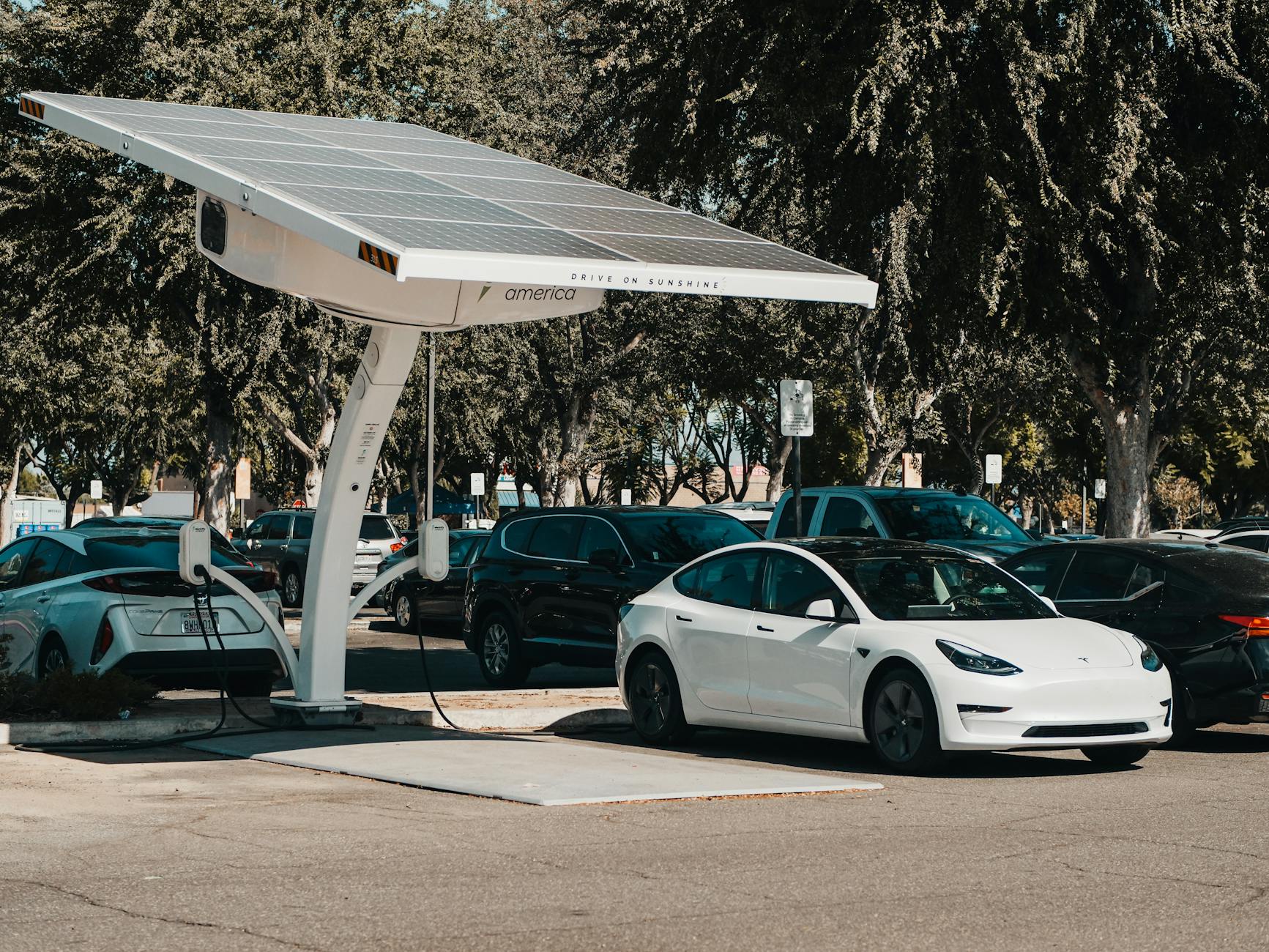
The dispatchable storage dilemma by relying too much on intermittent renewables
According to the Australian Energy Market Operator (AEMO) report in 2022, the renewables mega-grid for the National Energy Market (NEM) will need 49GW/646GWh of dispatchable storage plus 10GW of gas turbines for peak loads by 2050. Putting this in perspective the world’s first big battery in Hornsdale South Australia has 0.15GW/0.194GWh and Snowy Hydro 2.0 will provide 2.2GW/350GWh.
Batteries are an order-of-magnitude too small to meet this demand.
Regrettably, Australia is constrained because we only have one Snowy Mountains and very limited opportunities for significantly more pumped hydro. This storage limitation creates a paradox. A wind and solar mega-grid requires a massive investment in battery and pumped hydro storage, plus a further 10GW of gas turbines. The gas turbines then create carbon emissions that undermine our “Net Zero Emissions” objectives. Here is where the cost blowout occurs.
We need three times the number of solar panels and wind turbines than their rated capacity of account for intermittent loads. We then need three systems, the renewables mega-grid, energy storage that is beyond battery and pumped hydro limits, and further investment in gas turbines. This is not a oneoff, long term investment, as wind turbines, solar panels and batteries need to be replaced every 20 years.
That means all the work on the mega-grid and battery storage between 2020 and 2030, will need to be repeated, to replace 20 year old systems, between 2040 and 2050.
This is in addition to the targeted growth of new systems to be built over that same period