

Learning from Chernobyl, Three Mile Island and Fukashima in the context of 440 nuclear reactors, worldwide
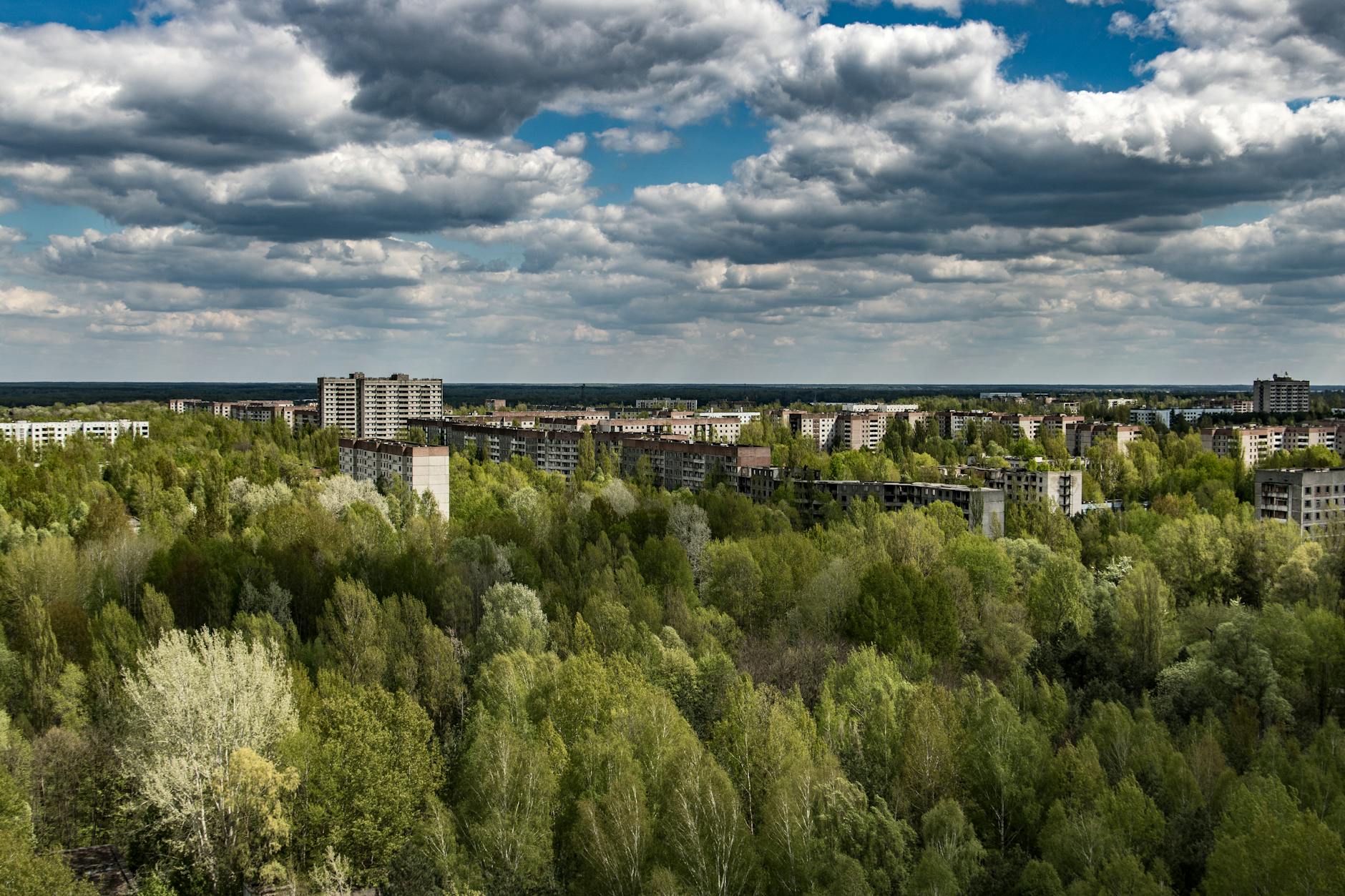
The worst nuclear accident in history occurred in 1983, when Chernobyl Reactor 4, a Russian RMBK-1000 reactor, designed in 1968, suffered a melt-down. As a result, 31 people died, and it is estimated that it caused 3,940 subsequent deaths from radiation induced cancer and leukaemia.
This is in stark contrast to Three Mile Island Reactor 2 (TMI2), that had a partial meltdown in 1979. At TMI2 there was no loss of life, and only a minor release of radioactive gases, that didn’t result in any health issues. TMI2 was safe, because the failed nuclear reactor was encapsulated in a containment structure.
The Fukashima accident occurred in 2011. A 15m Tsunami breached the power station’s sea wall and flooded the plant’s pumping station. This cut off cooling water and as a result four reactors overheated and were permanently damaged. No one died at the Nuclear Power Plant, but somewhere between 18,500 and 20,000 people were killed by the Tsunami.
At the Fukashima power station, water supplies were reconnected to the damaged reactors. This cooling water was exposed to damaged fuel and as a result it was contaminated. It has been subsequently treated, diluted and is being gradually reintroduced into the ocean at safe levels for marine life.
The failure of Chernobyl demonstrated the essential need for a nuclear containment structure.
The Three Mile Island failure resulted in the introduction of passive safety measures to prevent a meltdown due to human error, and Fukashima highlighted the need for backup power and cooling water, plus the need to better consider extra-ordinary design risks. Each of these factors are incorporated into all modern day reactors.
Despite vastly improved safety standards over the past 70 years, and a proven track record provided by 440 nuclear reactors operating worldwide, the anti-nuclear movement continue to distort our perception of the nuclear industry.
They adopt scare tactics, whether by repeat runs of Netflix Chernobyl mini-series, Bart Simpson’s 3 eyed fish, or movies like the China Syndrome that suggested a nuclear meltdown would burn through the earth to China, which is clearly nonsense.
We owe it to ourselves to develop a more current and informed perspective of nuclear energy and address our reticence to keep up with leading countries and technologies in developing Net Zero energy strategies that include nuclear power.